Is a beauty device safe for me? Contraindications explained
· 4 min read
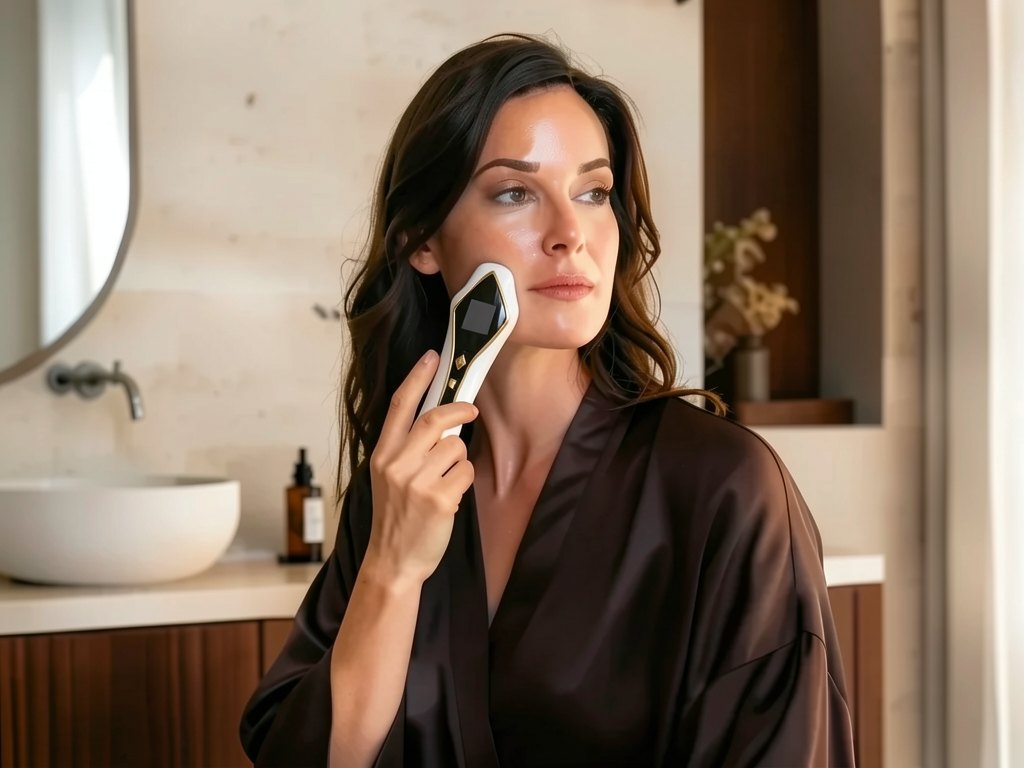
Every energy-based beauty device - anything using EMS, RF or a similar electrical or thermal mode - ships with a contraindications list. It is easy to skim past this section, but it exists because these modes are genuinely active technologies, not passive skincare tools, and a small number of situations mean a treatment should be avoided or postponed.
Why contraindications exist for energy devices specifically
RF and EMS work by passing a mild electrical current or targeted warming through the skin and underlying tissue. That is precisely what makes them effective for firmness and contour routines, and it is also why certain conditions - a pacemaker or other electronic implant, pregnancy, active infection, certain metal implants or a tendency toward keloid scarring, among others - rule out their use until that condition no longer applies.
The most commonly listed contraindications
Full lists vary slightly by model and are printed on each product page and manual in full, but the recurring categories are:
- Pregnancy or lactation
- A pacemaker or other implanted electronic device
- Acute infectious or viral illness, or fever
- Active dermatitis, dermatosis or acne in the treatment area
- A tendency to form keloid scars
- Metal implants in the treatment area (dental implants are typically excluded from this)
- Epilepsy or certain autoimmune or thyroid conditions
LED and ultrasonic cleansing modes are generally gentler
Light-based (LED) and ultrasonic cleansing modes are typically better tolerated across a wider range of situations than RF/EMS modes, which is why some routines lean on them more heavily during pregnancy or while a contraindication for the higher-intensity modes applies. This is still worth confirming against the specific product manual rather than assumed.
When to ask before you start
If any contraindication on the product page could apply to you, or you are simply unsure, the safest step is a quick message to the team before the first treatment rather than after. The FAQ page covers the most frequent safety questions, and the contact page is the fastest way to ask about a specific situation.